Wen Open Lab: From a Cat Meme to Open Tools Anyone Can Test
Almanac guide Written by the almanac itself. Every claim links to a source you can open or to a model you can run and check.

For two years the Wen story was told in words: a poem, a million-wallet airdrop, a new NFT standard, a quiet link with Jupiter and Solana. Words explain. Tools prove. Wen Open Lab is the moment the almanac stops only describing Wen and starts handing out working, free, tested models built on the same open technology — so that anyone, from a solo developer to a bank, can touch the usefulness with their own hands.
Why a Lab, and why now
A meme coin is easy to explain and easy to forget. What makes Wen different is what stayed after the launch: the Wen New Standard, an open, Apache-licensed way to build NFTs on Solana's Token-2022, and the habit of testing in public. The Lab takes that heritage and asks a practical question: what can a shop, a creator, a business network or a payments team actually do with it tomorrow morning? The answer is a section of the site with its own menu, its own roadmap and its own rules — open, free, and always checkable.

The five models, in plain words
- Receipts and warranty cards. Every purchase becomes a one-of-one token in the buyer's wallet, built with the WNS layout: zero decimals, a supply locked at one, the order's fingerprint and warranty date stored inside the token. Nothing personal goes on-chain. A soulbound version keeps the warranty with the buyer; a transferable one follows the item to its next owner.
- Creator royalties. Wen's own invention at work: a transfer hook makes the token itself enforce the creator's share, instead of trusting each marketplace's goodwill.
- B2B invoices. A settlement token that takes a capped fee by itself, accepts only approved companies and refuses any payment without an invoice number.
- Payments bridge. The three jobs of card acquiring — take, confirm, notify — rebuilt on the open Solana Pay standard, from a payment link to a webhook in the shop's order system.
- Simulator. Your volume, your card terms, your chain costs: a side-by-side comparison that runs in the browser and shows every formula.
How it was checked
Every model was run inside LiteSVM, a local Solana virtual machine with the real Token-2022 and Memo programs. Twenty-five checks pass, and the failures happen for the right reasons: a soulbound receipt refuses to move, a payment without an invoice number is rejected with "No memo in previous instruction", a payment to an unapproved company is rejected with "Account is frozen". Building it also uncovered two real-world traps worth knowing: the npm package @wen-community/wen-new-standard has been removed by npm as malicious, and recent versions of a popular memo library point to a different program than the one Token-2022 checks. Both are documented, both are handled. That is what "always verify your own model" looks like in practice.
Devnet: proof in public
A local test convinces the person who ran it; a public network convinces everyone else. That is why the next stage of the Lab deserves its own attention and its own page. Devnet is Solana's open test network: it runs the same programs as mainnet, including Token-2022 and the memo program, but its coins have no value, so mistakes cost nothing and experiments are free. The Lab already ships a ready-to-run script that takes two of the models onto devnet. It mints a soulbound receipt for a test buyer and locks its supply at one; then it creates a settlement token with a capped fee and frozen-by-default accounts, opens a buyer and a seller account, approves both, pays an invoice with its number recorded on-chain, and finally tries a payment without an invoice number to show, in public, that it is refused. For every step it prints an explorer link, so the result is not a screenshot or a promise but an address anyone can open. Repeating it takes five commands and about ten minutes: install the project, create a brand-new devnet wallet that will never hold real money, request free test SOL, run the local checks, then run the devnet demo. The script protects the person running it: it refuses any network that is not devnet and stops if the wallet is underfunded. Every run creates fresh addresses, which means the proof can be repeated by anyone, any day, as many times as they like — and independent runs by people who do not know us are worth more than anything we could write. The first public run will be published on the devnet page with its links. One honest limit: the real WEN token exists only on mainnet, so the devnet demo uses clearly labelled test tokens. A model that will touch real WEN goes to mainnet only after its public devnet run and an independent review. Devnet is the bridge between "it works on our machine" and "it works where you can see it", and it is the step that turns the Lab from a well-written page into public evidence. Anyone who opens the links will see the same thing we saw locally: a token with a supply of exactly one, a fee taken by the token itself, an invoice number written on-chain, and a payment refused because it had none.
The next step: pay in WEN, receive a stable coin
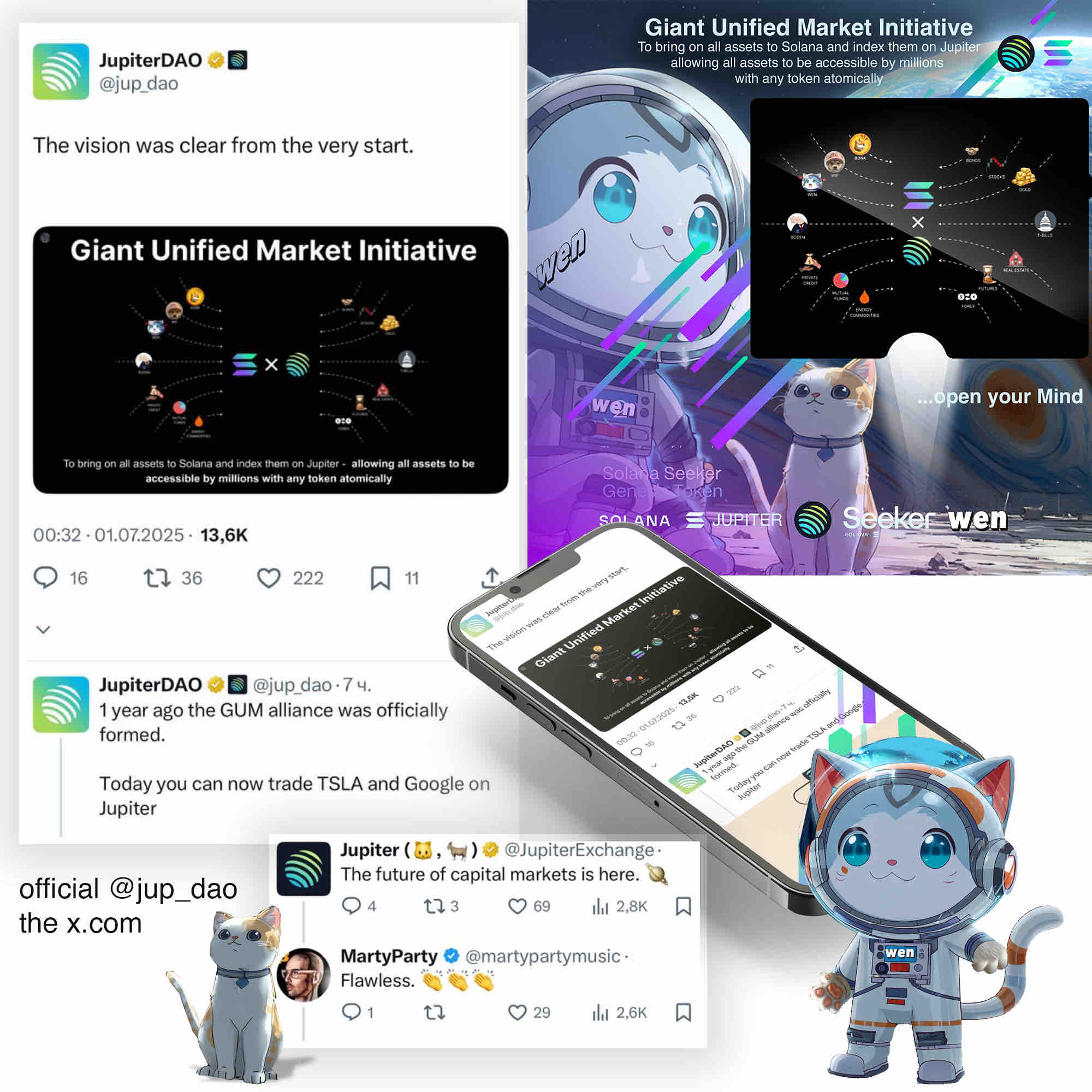
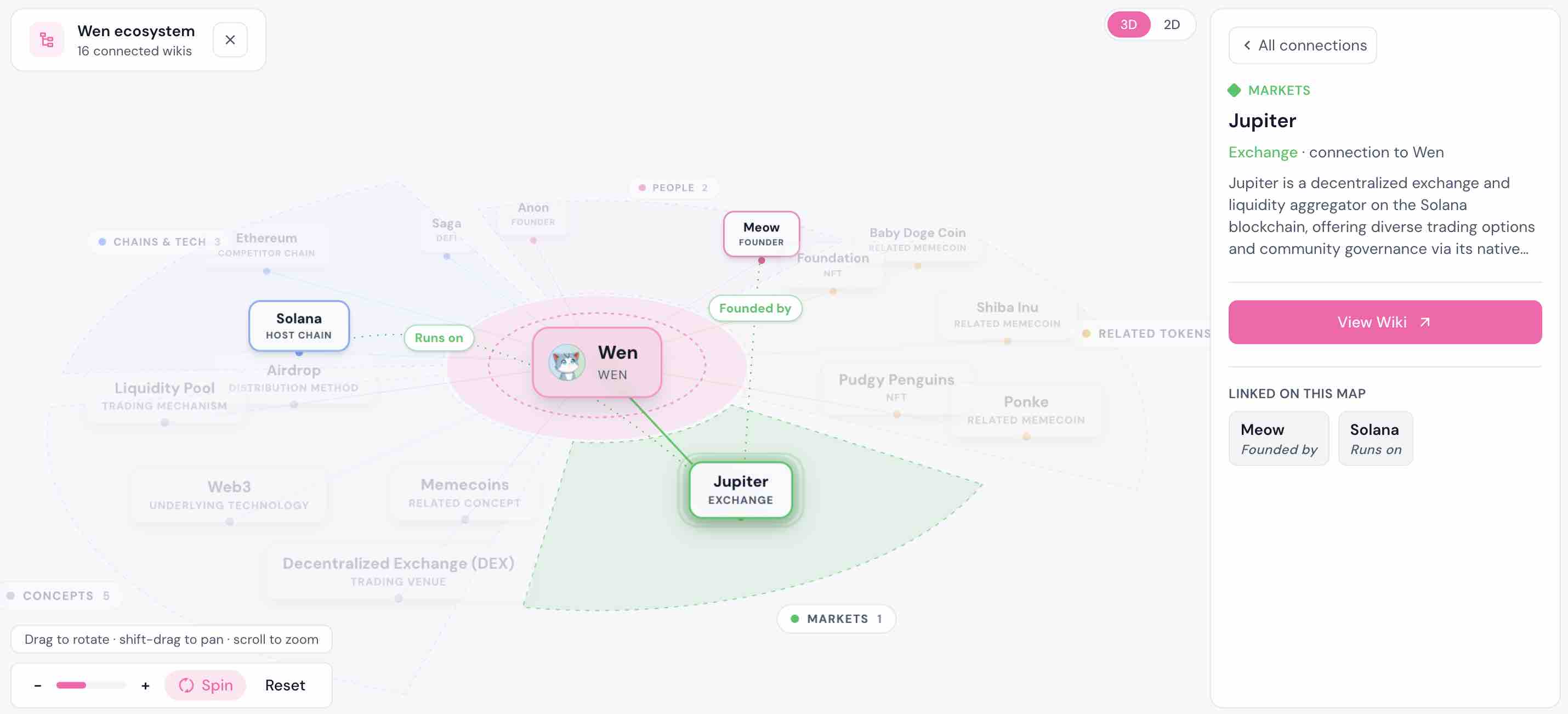
After devnet, the most useful new model is the one that ties the whole chain together. A buyer pays in WEN; in the same transaction a Jupiter swap converts it; the shop receives a stable coin and never carries the price risk. Seen globally, this connects every piece of the Lab into one flow: the payments bridge creates the request and confirms it, the conversion protects the merchant, the receipt model hands the buyer a proof of purchase, the simulator shows whether it makes sense for a given shop, and the trust chain keeps every claim checkable. It is also where Wen's own story closes a circle: a coin born from a test of Jupiter's launchpad becomes a way to pay through Jupiter's routing. That is what a universal coin means here — not a promise of value, but a token that can enter any checkout while the shop keeps its books in stable money. Slippage, liquidity and local rules are real limits, and the model will show them as openly as the others.
Trust by design
The Lab rests on four plain principles: open, free, universal, checkable. Code is Apache-2.0, sources are public, the models work with any token and any company, and every key claim across the almanac now has a status in the trust chain — verified, primary source, reported, opinion, unverified, or figures differ. The chain was cross-checked against IQ.wiki and its references, and where sources disagree (the size of the burn, the location of a football tournament) both versions are shown. Across the site, unverified sentences now carry a small mark, and strong "guarantees" were softened to what is true. For companies — and even for new kinds of banks — this is the real invitation: not "trust us", but "check us, for free, in minutes".
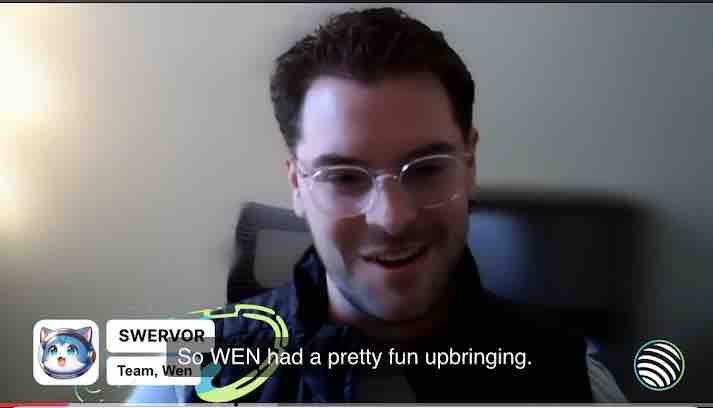
Wen on video
More from the community channel: youtube.com/@wen-coin. Videos play through the privacy-enhanced youtube-nocookie domain; if a video does not start, use the link under it.
How to take part
- Open the Lab roadmap and pick a model.
- Run the code locally, then repeat it on devnet and share your explorer links on X (@wenwencoin).
- Find a mistake or an unverified claim? Report it — the trust chain gets better with every check.
- Read who gains what in Benefits and use.
Spoken by Wen, for the community. Educational content, not financial advice. The Lab's code is free under Apache-2.0 and not audited: always verify your own model.
Wen Media
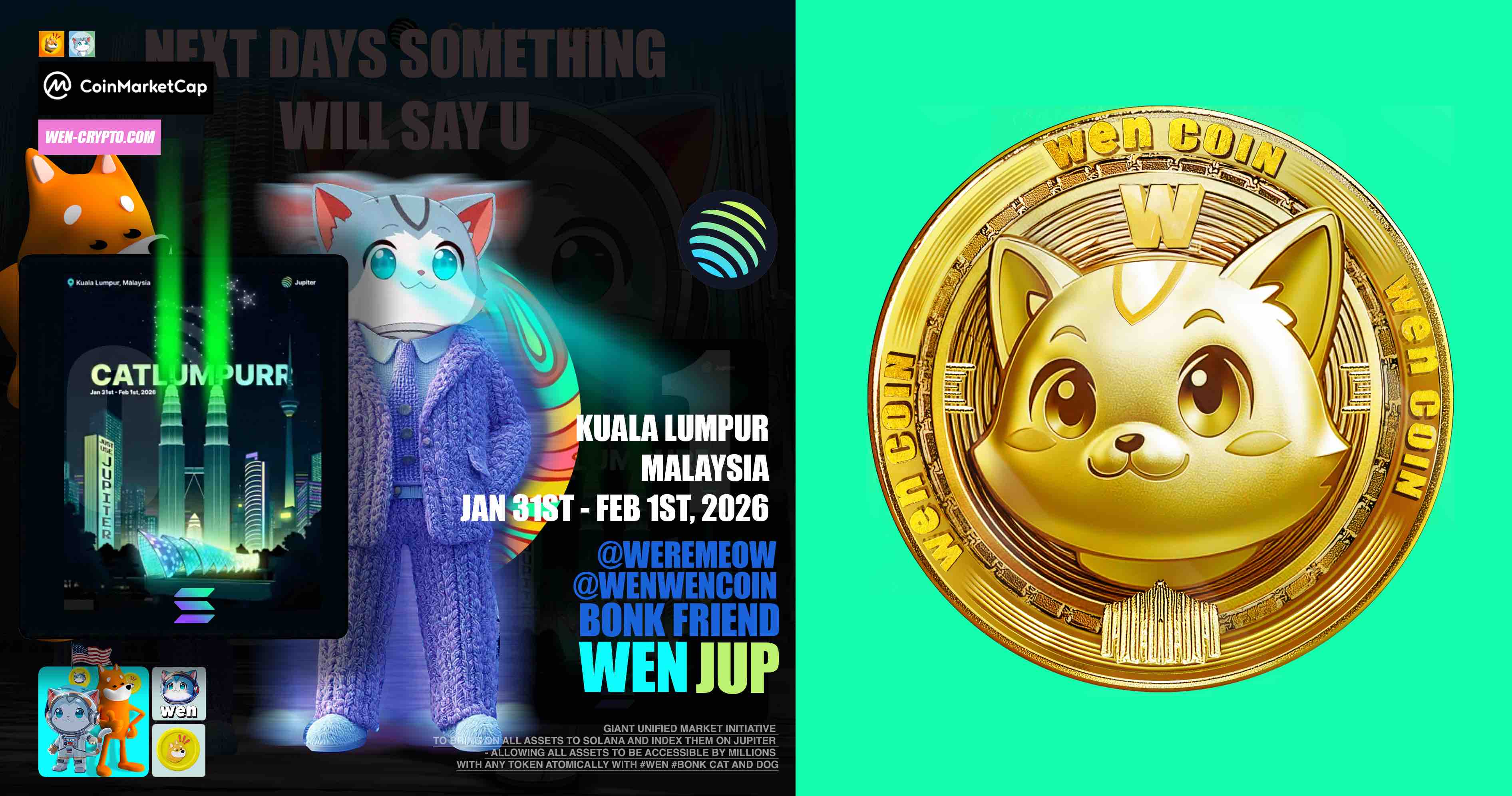
Wen cat, Wen meme and the golden Wen coin: a few picks from the community archive. Open all of Wen Media.